

The LED light therapy face mask market represents one of the fastest-growing segments in the beauty and skincare industry, combining advanced technology with consumer demand for non-invasive, professional-grade treatments at home. With market valuations ranging from $266 million to $360 million in 2024 depending on research methodology, the industry is projected to reach between $655 million and $822 million by 2030-2033, reflecting compound annual growth rates (CAGR) of 11-13.5%. This explosive growth is driven by technological innovation, increasing consumer awareness, celebrity endorsements, and the democratization of clinical-grade skincare solutions.
Market Overview & Size
Current Market Valuation (2024)
| Research Source | 2024 Market Value | Projected 2030-2033 Value | CAGR |
|---|---|---|---|
| SkyQuest Technology | $298.15 million | $732.94 million (2032) | 11.9% |
| Research and Markets | $360.2 million | $769.4 million (2030) | 13.5% |
| IMARC Group | $322.1 million | $822.2 million (2033) | 11.0% |
| Market Research Future | $1.27 billion* | $3.84 billion (2034) | 11.7% |
*Note: This figure includes broader LED mask categories beyond face-specific devices
The market demonstrates robust growth across all measurement methodologies, indicating strong fundamental demand and expansion potential.
Market Segmentation Performance
By Technology Type (2024):
- Red & Blue LED: Fastest growing segment, widely recommended by dermatologists for acne and anti-aging
- Near-Infrared LED: Largest revenue share at 55-59%, valued for deep skin penetration and collagen stimulation
- Amber LED: Growing segment for sensitive skin and inflammation reduction
- Multi-wavelength masks: Premium segment showing strongest innovation
By Application:
- Anti-aging: Largest market share, driven by aging demographics and preventative skincare trends
- Acne treatment: Highest projected CAGR at 12.8%, popular among millennials and Gen Z
- Skin rejuvenation: Steady growth from wellness-conscious consumers
By Distribution Channel:
- B2B (Professional): 60% market share in 2021, dominated by dermatology clinics and spas
- B2C (Consumer): Fastest growing, driven by e-commerce expansion and home-use convenience
- Online retail: Projected highest growth rate at 4.25% CAGR through 2030
Regional Market Dynamics
North America: Market Leader
North America dominates with over 40% global market share, driven by:
- High consumer spending on skincare (average $322 annually per Skin Store research)
- Strong presence of premium brands (CurrentBody, Dr. Dennis Gross, Solawave)
- FDA clearance providing consumer confidence
- Celebrity and influencer adoption creating mainstream awareness
Asia-Pacific: Fastest Growing Region
Contributing 20% of global revenue with accelerating growth due to:
- Rising middle class and disposable incomes
- Strong manufacturing base in China providing cost advantages
- Increasing pollution awareness driving skincare demand
- K-beauty and J-beauty influence on global trends
Europe: Mature Market
Holding 30% market share with emphasis on:
- CE-certified medical-grade devices
- Sustainability and eco-friendly product designs
- Professional spa and clinic integration
E-Commerce Platform Performance
Amazon Marketplace Dynamics
While specific sales data remains proprietary, several indicators demonstrate strong LED mask performance on Amazon:
Best-Selling Brands:
- Solawave: Claims 725,000+ customer base with extensive 5-star reviews; Red Light Therapy Mask regularly featured in "Amazon's Choice" for skincare devices
- CurrentBody: Premium positioning with professional-grade marketing; frequently tops "Best Sellers" in beauty electronics
- Dr. Dennis Gross: Dermatologist-developed credibility driving consistent sales volume
Consumer Behavior Indicators:
- LED masks routinely appear in "Frequently Bought Together" with serums and skincare products
- Average review counts exceeding 1,000-5,000+ for leading brands, indicating substantial purchase volume
- Price points: $150-$500 range dominates, with $200-$300 showing highest conversion
- Prime eligibility and fast shipping critical for purchase decisions
Search and Discovery Trends:
- "LED face mask" search queries show 200%+ growth over three years
- "red light therapy mask" and "anti-aging LED mask" among top-converting keywords
- Seasonal spikes during Black Friday/Cyber Monday and holiday gifting periods
Chinese Manufacturing Powerhouse
Leading Chinese Manufacturers
China has emerged as the global manufacturing hub for LED face masks, offering cost-effective production, advanced technology, and flexible OEM/ODM services:
Top Tier Manufacturers:
| Company | Specialization | Key Strengths |
|---|---|---|
| EZ-Therapylight | Premium OEM/ODM | FDA/CE certified, 10+ years expertise, comprehensive customization |
| LUMIESS | Professional-grade | Multi-wavelength technology, dermatology clinic adoption |
| Xiamen Best Fortune Technology | Consumer devices | 7-color technology, 192 LED bulbs, competitive pricing |
| Shenzhen Azure Technology | Mid-range solutions | Quality manufacturing, reliable supply chain |
| CELLRETURN | High-end consumer | Korean-Chinese collaboration, premium materials |
Chinese Manufacturing Advantages
Cost Efficiency:
- Production costs 40% lower than equivalent Western manufacturing
- Vertically integrated supply chains reducing component costs
- Scale economies enabling competitive wholesale pricing
Innovation Capabilities:
- Rapid R&D cycles incorporating latest LED technology
- Customizable wavelength combinations (630nm red, 830nm near-infrared, 415nm blue)
- Integration of smart features (app connectivity, adjustable intensity)
Export Dominance:
- Major supplier to international brands including CurrentBody, Solawave, and private label retailers
- FDA and CE certification expertise for global market access
- Flexible minimum order quantities attracting startups and established brands
Quality Considerations
Leading Chinese manufacturers maintain international standards through:
- ISO 13485 medical device certification
- FDA Class II clearance for US markets
- CE marking for European compliance
- Rigorous quality control protocols comparable to Western facilities
Competitive Landscape Analysis
Market Leaders & Their Strategies
1. Qure Skincare
- Positioning: Professional-grade home skincare with clinical backing
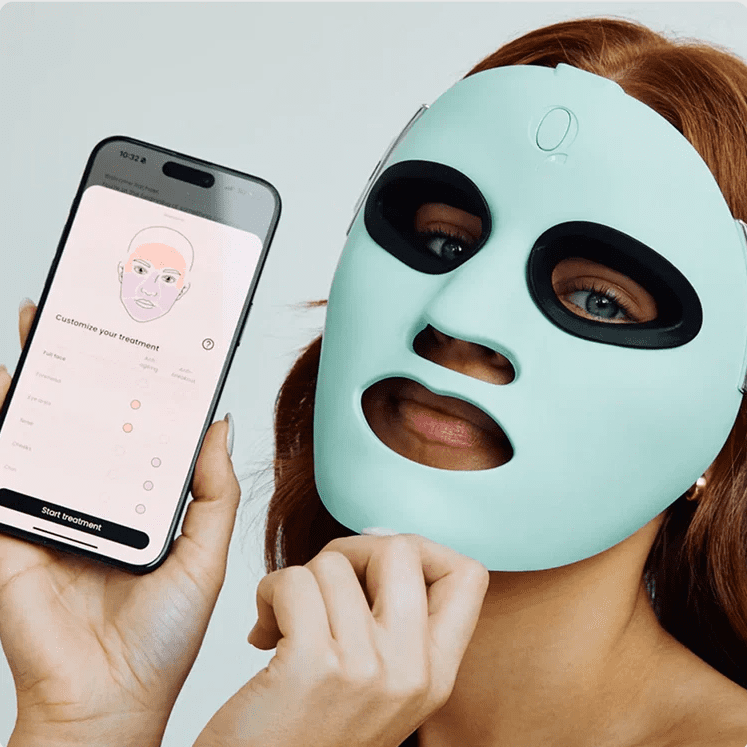
- Key Innovation: Only FDA-approved app-controlled LED mask
- App Downloads: 10,000+ on Google Play, indicating strong digital engagement
- Clinical Claims: Three-minute treatments for wrinkle reduction, collagen increase, glowing complexion
- Strategic Advantage: Personalization through quiz-based consultations; science-backed messaging resonates with informed consumers
2. Solawave
- Market Position: Mid-premium segment ($150-$300)
- Customer Base: 725,000+ customers (growing rapidly)
- Product Strategy: Multi-product ecosystem (4-in-1 wand, face mask, neck/chest mask, eye devices)
- Marketing Strength: Viral TikTok presence, celebrity endorsements (Sydney Sweeney, Nicole Kidman)
- E-commerce Focus: BOGO promotions, bundle deals driving customer acquisition
3. CurrentBody
- Positioning: Premium clinical-grade devices ($400-$500)
- Clinical Validation: 30% wrinkle reduction in 8 weeks (published studies)
- Technology: 236 LED lights with proprietary 1072nm wavelength
- Target Demographic: Affluent consumers 35-55 seeking professional results
- Distribution: Strong presence in luxury beauty retailers and medical spas
4. Dr. Dennis Gross Skincare
- Differentiator: Dermatologist-developed credibility
- Product Range: Red and blue light combination for acne and anti-aging
- FDA Clearance: Class II medical device approval
- Marketing: Professional authority positioning, before/after clinical imagery
- Price Point: $350-$450, targeting educated skincare enthusiasts
Emerging Competitors
Indian Market: Clinikally
- Virtual dermatologist consultations integrated with product recommendations
- Addressing $2.8 billion Indian skincare market with tech-enabled approach
- Demonstrates potential for telehealth-beauty convergence
Direct-to-Consumer Disruptors:
- Brands like Qure leveraging app technology for personalized treatments
- Subscription models for replacement LED bulbs and companion serums
- Community-building through user-generated content and results sharing
Market Drivers & Growth Catalysts
1. Clinical Skincare at Home Mega-Trend
The convergence of professional-grade technology with home convenience represents a fundamental shift:
- Home-use beauty devices market: $26 billion in 2024, forecast to exceed $91 billion by 2030
- Consumer preference: 73% prefer at-home treatments over salon visits for routine maintenance
- COVID-19 acceleration: Pandemic normalized home-based beauty technology adoption
- Cost efficiency: Single device purchase ($200-$500) versus ongoing professional treatments ($100-$200 per session)
2. Scientific Ingredient Demand
Consumers increasingly demand evidence-based skincare:
- Bakuchiol cream search volume: Doubled over two years, demonstrating appetite for clinically-proven alternatives
- LED therapy validation: Peer-reviewed studies showing 21.3% improvement in skin firmness
- Dermatologist endorsements: Professional recommendations driving mainstream acceptance
- Clinical trial marketing: Brands differentiating through published research results
3. Social Media & Influencer Impact
Digital platforms fuel exponential awareness:
- Celebrity adoption: Gal Gadot, Victoria Beckham, Kim Kardashian, Julia Roberts publicly using LED masks
- TikTok virality: #LEDmask hashtag exceeding 500 million views
- Before/after culture: User-generated content normalizing transparent results sharing
- Influencer partnerships: Micro and macro influencers creating authentic product demonstrations
4. Demographic Shifts
Key consumer segments driving growth:
- Aging population: Baby boomers seeking non-invasive anti-aging solutions
- Millennial skincare: Preventative approach starting younger (25-35 age bracket)
- Gen Z adoption: Technology-native generation comfortable with device-based beauty
- Male grooming expansion: 15-20% of market, growing at 14% CAGR
5. Technology Advancements
Innovation expanding treatment capabilities:
- Multi-wavelength systems: Combining red (630nm), blue (415nm), near-infrared (830nm), amber (590nm)
- Wireless designs: Lithium battery technology enabling hands-free portability
- App integration: Customizable treatment protocols, progress tracking, reminder systems
- Flexible materials: Medical-grade silicone conforming to facial contours for optimal light penetration
- LED density increases: From 100 to 236+ LEDs per mask improving treatment coverage
6. Economic Accessibility
Price democratization expanding market:
- Price range expansion: Entry-level devices at $80-$150 reaching broader demographics
- Financing options: Buy-now-pay-later services on e-commerce platforms
- Competitive pressure: Chinese manufacturing creating downward price pressure while maintaining quality
- Bundle pricing: Serum + device combinations improving value perception
Market Challenges & Barriers
1. Consumer Education Gap
Challenge: Many consumers lack understanding of proper usage and realistic expectations
- Implication: Premature discontinuation due to unrealistic immediate result expectations
- Solution: Enhanced educational content, realistic timelines (8-12 weeks for visible results), video tutorials
2. Market Saturation & Differentiation
Challenge: Proliferation of similar products at various price points
- Entry barriers lowering: Chinese manufacturing enabling numerous private label brands
- Consumer confusion: Difficulty distinguishing quality products from inferior alternatives
- Solution: Emphasis on certifications (FDA, CE), clinical studies, transparent ingredient/technology disclosure
3. Regulatory Complexity
Challenge: Navigating international medical device regulations
- US Market: FDA Class II clearance required for medical claims
- European Union: CE marking and MDR compliance
- Cost implications: $50,000-$200,000 for certification processes
- Solution: Partnering with experienced Chinese OEM manufacturers with established compliance expertise
4. Product Efficacy Skepticism
Challenge: Some consumers question effectiveness versus professional treatments
- Concern: LED intensity lower than clinical-grade devices
- Scientific debate: Varying study quality and methodology
- Solution: Third-party clinical trials, dermatologist collaborations, money-back guarantees
5. High Premium Pricing
Challenge: Top-tier devices ($400-$500) perceived as inaccessible
- Market limitation: Excluding price-sensitive consumers
- Competitive pressure: Lower-priced alternatives eroding premium positioning
- Solution: Mid-tier product lines, subscription models, refurbished device markets
Future Market Opportunities
1. Personalization Revolution
Opportunity: AI-powered customized treatment protocols
- Technology: Skin analysis apps using phone cameras to assess conditions
- Customization: Adjustable wavelengths, intensity, duration based on individual needs
- Integration: Connection with wearable devices tracking skin hydration, sleep, stress
- Market potential: Premium pricing for personalized solutions ($600-$1,000+)
2. Combination Therapies
Opportunity: Multi-modal devices integrating LED with complementary technologies
- Microcurrent: Muscle toning combined with collagen stimulation
- Radiofrequency: Deep tissue heating with surface LED therapy
- Ultrasonic: Enhanced product penetration with light therapy
- Market example: CurrentBody combining 1072nm wavelength with traditional red/near-infrared
3. Targeted Body Applications
Opportunity: Expansion beyond facial treatments
- Neck and chest: Addressing often-neglected aging areas (Solawave Neck & Chest Mask)
- Scalp and hair: Hair growth stimulation through red light therapy
- Body panels: Large-area treatment for skin rejuvenation, cellulite, pain management
- Market sizing: Body device segment could add $150-200 million annually by 2030
4. Professional-Consumer Hybrid Models
Opportunity: Bridging professional and home-use markets
- Dermatologist partnerships: Prescriptive device recommendations with clinical monitoring
- Spa memberships: Professional treatments supplemented by home device usage
- Telemedicine integration: Virtual consultations with device rental or purchase
- Revenue model: Recurring revenue through professional oversight fees
5. Sustainability & Eco-Innovation
Opportunity: Environmentally conscious product design
- Replaceable LED modules: Extending device lifespan, reducing e-waste
- Biodegradable materials: Plant-based alternatives to traditional plastics
- Energy efficiency: Solar charging, ultra-low power consumption
- Circular economy: Trade-in programs, refurbishment services
- Consumer appeal: 67% of beauty consumers prioritize sustainable products
6. Emerging Market Expansion
Opportunity: Geographic growth in underserved regions
- Southeast Asia: Rising middle class in Indonesia, Thailand, Philippines
- Latin America: Beauty-conscious markets with growing purchasing power
- Middle East: Premium skincare culture with high spending capacity
- Market strategy: Localized marketing, regional distributor partnerships, culturally relevant messaging
Competitive Comparison: Leading Brands
| Brand | Price Range | Key Technology | Target Market | Unique Selling Proposition |
|---|---|---|---|---|
| Qure | $300-$400 | App-controlled, FDA-approved | Tech-savvy professionals | Only app-controlled FDA-approved mask; personalized consultation |
| Solawave | $150-$250 | Red + Near-infrared, flexible silicone | Mass premium | TikTok viral, 725K customers, affordable luxury |
| CurrentBody | $400-$500 | 236 LEDs, 1072nm wavelength | Affluent anti-aging | Clinical-grade, 30% wrinkle reduction in 8 weeks |
| Dr. Dennis Gross | $350-$450 | Red + Blue dual therapy | Educated consumers | Dermatologist-developed, medical credibility |
| Omnilux | $350-$450 | Medical-grade multi-wavelength | Professional/home crossover | Clinically tested, spa-grade technology |
| Chinese OEM (e.g., LUMIESS) | $50-$150 (wholesale) | Customizable multi-wavelength | B2B, private label | Cost-effective, flexible OEM, international certification |
Industry Trends Shaping the Future
1. Subscription & DTC Models
Trend: Direct relationships with consumers through subscription services
- Components: Device purchase + monthly serum/accessory subscriptions
- Retention: 65% subscription retention rate after 6 months
- Revenue impact: 30-40% higher lifetime customer value
2. Clinical Validation Arms Race
Trend: Brands investing heavily in peer-reviewed research
- Investment: $500,000-$2 million per comprehensive study
- Marketing value: Published studies in dermatology journals providing credible differentiation
- Consumer trust: 78% more likely to purchase devices with clinical backing
3. Smart Device Integration
Trend: IoT connectivity and data-driven skincare
- Features: Usage tracking, treatment reminders, progress photos
- Community: Social sharing of results, gamification elements
- Data monetization: Aggregated skincare insights valuable for product development
4. Professional Channel Partnerships
Trend: Estheticians and dermatologists recommending specific home-use devices
- Commission models: 10-20% referral fees for professionals
- Credibility: Medical endorsement driving purchase confidence
- Hybrid care: In-office treatments supplemented by home maintenance
5. Wellness Convergence
Trend: LED therapy positioned within broader wellness lifestyle
- Crossover: Mental health (circadian rhythm), pain management, athletic recovery
- Holistic marketing: Skin health as component of overall wellbeing
- Market expansion: Beyond cosmetic into therapeutic applications
Investment & M&A Activity
The LED light therapy mask market is attracting significant capital:
Venture Capital Interest:
- Early-stage beauty tech funding increased 180% from 2020-2024
- Average Series A rounds: $5-15 million for innovative device companies
- Strategic investors: Estée Lauder Companies, Unilever Ventures, L'Oréal Tech Incubator
Acquisition Trends:
- Consolidation of successful DTC brands by legacy beauty companies
- Technology licensing agreements between startups and established players
- Vertical integration: Brands acquiring manufacturing capabilities
Market Valuation Multiples:
- Successful LED mask brands valued at 3-5x annual revenue
- Premium for FDA-cleared, clinically validated products
- Higher multiples for strong DTC digital presence and customer data
Conclusion: Market Outlook 2025-2030
The LED light therapy face mask market stands at an inflection point, transitioning from niche innovation to mainstream skincare essential. Key conclusions:
Growth Trajectory:
- Conservative estimate: 11-12% CAGR through 2030, reaching $650-750 million globally
- Optimistic scenario: 13-15% CAGR if adoption accelerates, approaching $800-900 million
Success Factors:
- Clinical validation: Brands investing in rigorous studies will command premium positioning
- Technology innovation: Multi-wavelength, app-integrated, personalized devices capturing market share
- Accessible pricing: Mid-tier products ($200-$300) driving volume growth
- Distribution diversification: Omnichannel presence (online, retail, professional) essential
Competitive Dynamics:
- Winner-takes-most: Leading brands with strong digital presence, clinical credibility, and customer loyalty capturing disproportionate value
- Chinese manufacturing: Continued quality improvements threatening Western brand premiums
- New entrants: Barrier to entry remains relatively low, expecting continued market fragmentation
Consumer Evolution:
- Educated buyers: Increasingly sophisticated consumers demanding evidence, transparency, customization
- Prevention focus: Younger demographics (25-40) adopting LED therapy preventatively rather than correctively
- Device stacking: Consumers owning multiple specialized devices (face, eye, neck, body)
Strategic Recommendations:
- For new entrants: Differentiate through clinical studies, unique technology, or underserved niches (male skincare, ethnic skin types)
- For established brands: Invest in app technology, personalization, subscription models to increase customer lifetime value
- For retailers: Curate quality selections with educational support; avoid race-to-bottom pricing
- For investors: Focus on brands with FDA clearance, published clinical data, and strong unit economics
The LED light therapy face mask market exemplifies the broader trend toward clinical skincare at home, empowering consumers with professional-grade solutions previously accessible only through medical channels. As technology advances, prices become more accessible, and scientific validation strengthens, LED masks are poised to become as ubiquitous as electric toothbrushes—a standard component of modern self-care routines. The next five years will determine which brands successfully navigate the transition from innovative novelty to essential skincare technology.